
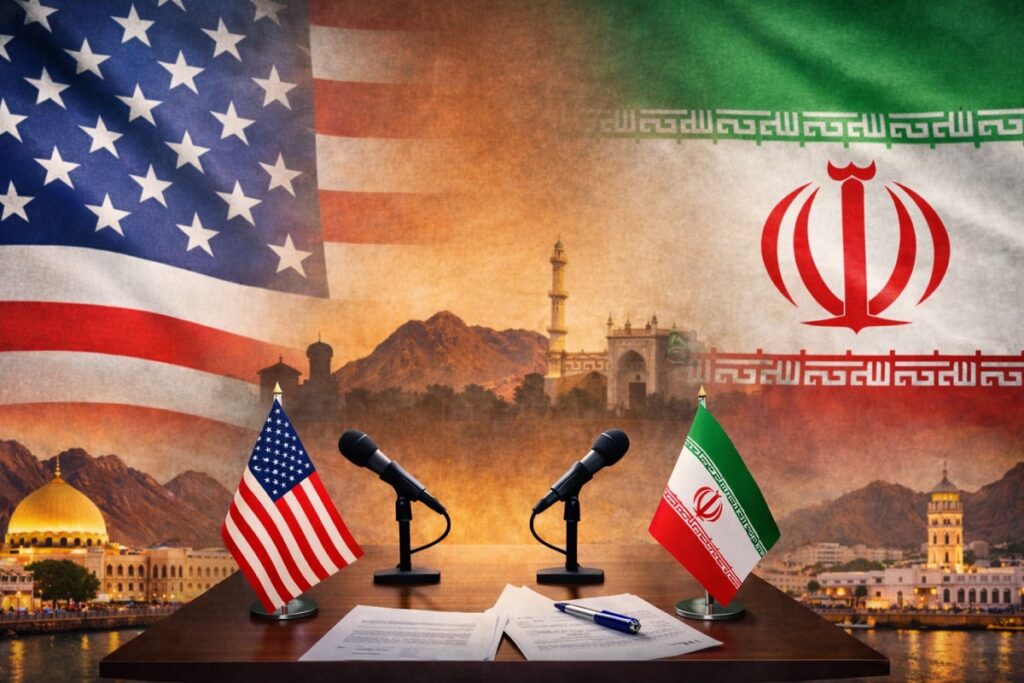
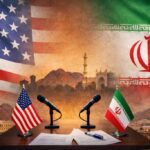
Backchannel diplomacy is working in overdrive as the United States and Iran prepare for a crucial second round of peace talks. Following the collapse of the 21-hour marathon negotiations in Islamabad over the weekend, international mediators are scrambling to finalize the timeline and venue for the next high-stakes summit, which could commence later this week.
On Tuesday (April 14), Reuters, citing an official from the Iranian Embassy in Pakistan, confirmed that preparations for a second round are officially in motion. Furthermore, independent intelligence gathered by Reuters reveals that despite the current deadlock, backdoor messages continue to be exchanged continuously between Washington and Tehran via Pakistani mediators.
The Venue Scramble
While Islamabad remains a strong contender—bolstered by US President Donald Trump’s recent public praise for Pakistan’s mediation efforts—other nations are aggressively vying to host. Diplomatic sources indicate that Geneva (Switzerland), Turkey, and Egypt have emerged as potential neutral grounds for the next meeting. Both delegations are reportedly keeping their schedules clear from Friday through Sunday as they wait for a final venue decision.
Why the First Round Failed
The urgency for a second round follows the failure of the initial April 11-12 talks in Pakistan. Led by US Vice President JD Vance and Iranian officials, including Foreign Minister Abbas Araghchi, the negotiations hit a massive wall over two critical flashpoints:
The Nuclear Standoff: The US is aggressively demanding a 20-year freeze on Iran’s uranium enrichment program. In stark contrast, Tehran is reportedly only willing to concede a 5-year suspension, demanding immediate sanctions relief and the unfreezing of assets in return.
Strait of Hormuz Blockade: Tensions have skyrocketed following the US Central Command’s initiation of a naval blockade on Iranian ports. Iran has vowed to counter this by heavily restricting passage through the strategic Strait of Hormuz, threatening global supply chains.
High Stakes
The impending second round is viewed as a make-or-break moment to stabilize the fragile ceasefire and prevent the ongoing conflict from spiraling into a wider regional catastrophe. With global oil, gas, and fertilizer prices surging due to the Hormuz disruptions, the international pressure on both administrations to finalize a viable peace deal is immense







+ There are no comments
Add yours